Services
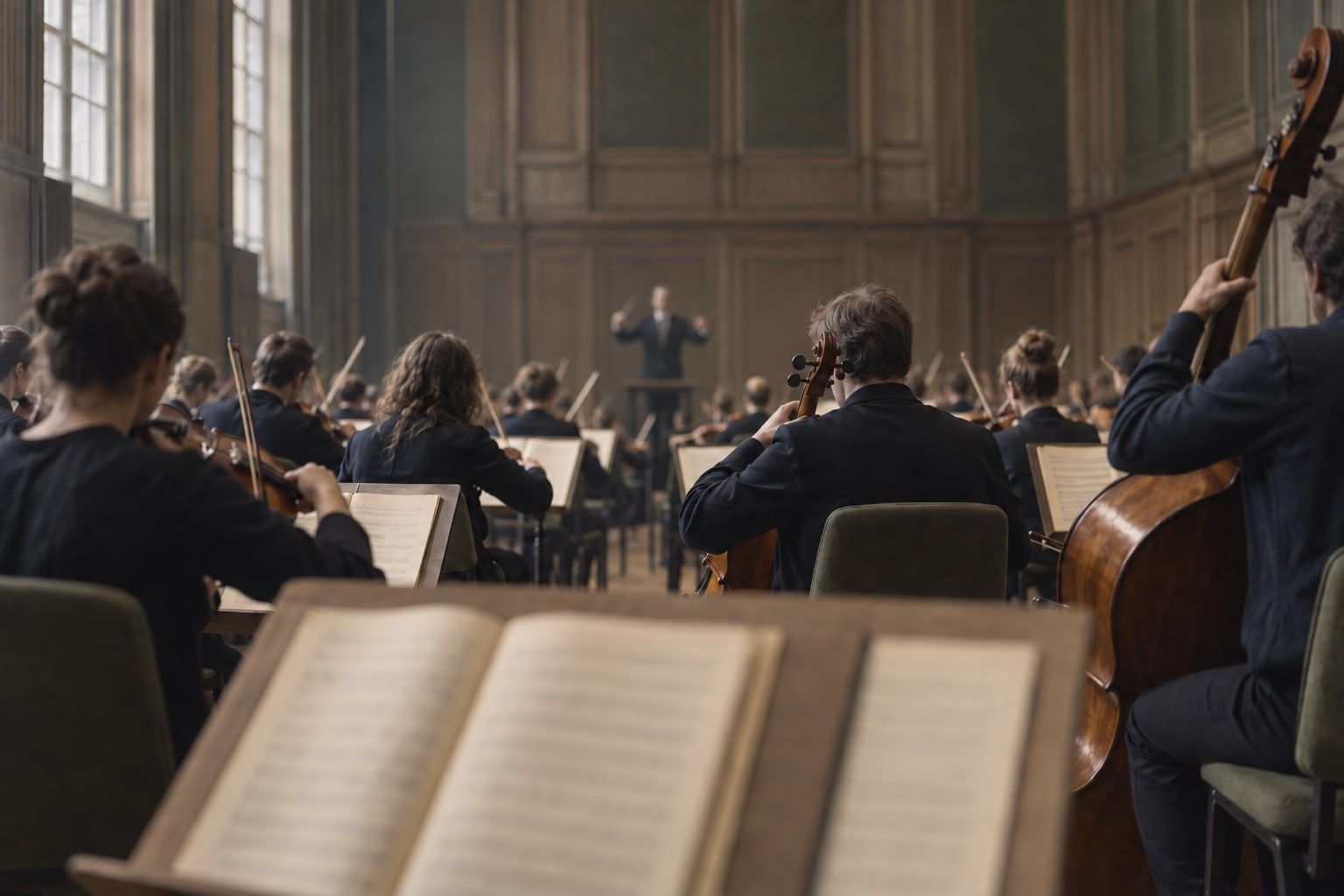
For institutions and performers
Orchestras, opera and ballet companies, choirs, conservatoires, musicians and production companies
Every work on an institution’s season programme travels through a single partner, from finding the edition to returning the materials. If the work is among editonica’s own editions, the materials are supplied directly; if not, they are sourced from its publisher.

Edition and rights research
Which editions of the work exist, which publisher holds them and who is authorised for Türkiye are researched; where different versions exist, they are presented together. Even when the work itself is in the public domain, the rights status of the edition to be used is checked separately. A perusal score is obtained so that the conductor can decide.

Procurement and documents
The materials are offered to the institution in a single quotation that includes shipping, insurance and customs. The quotations and documents required for public institutions’ procurement procedures are prepared.
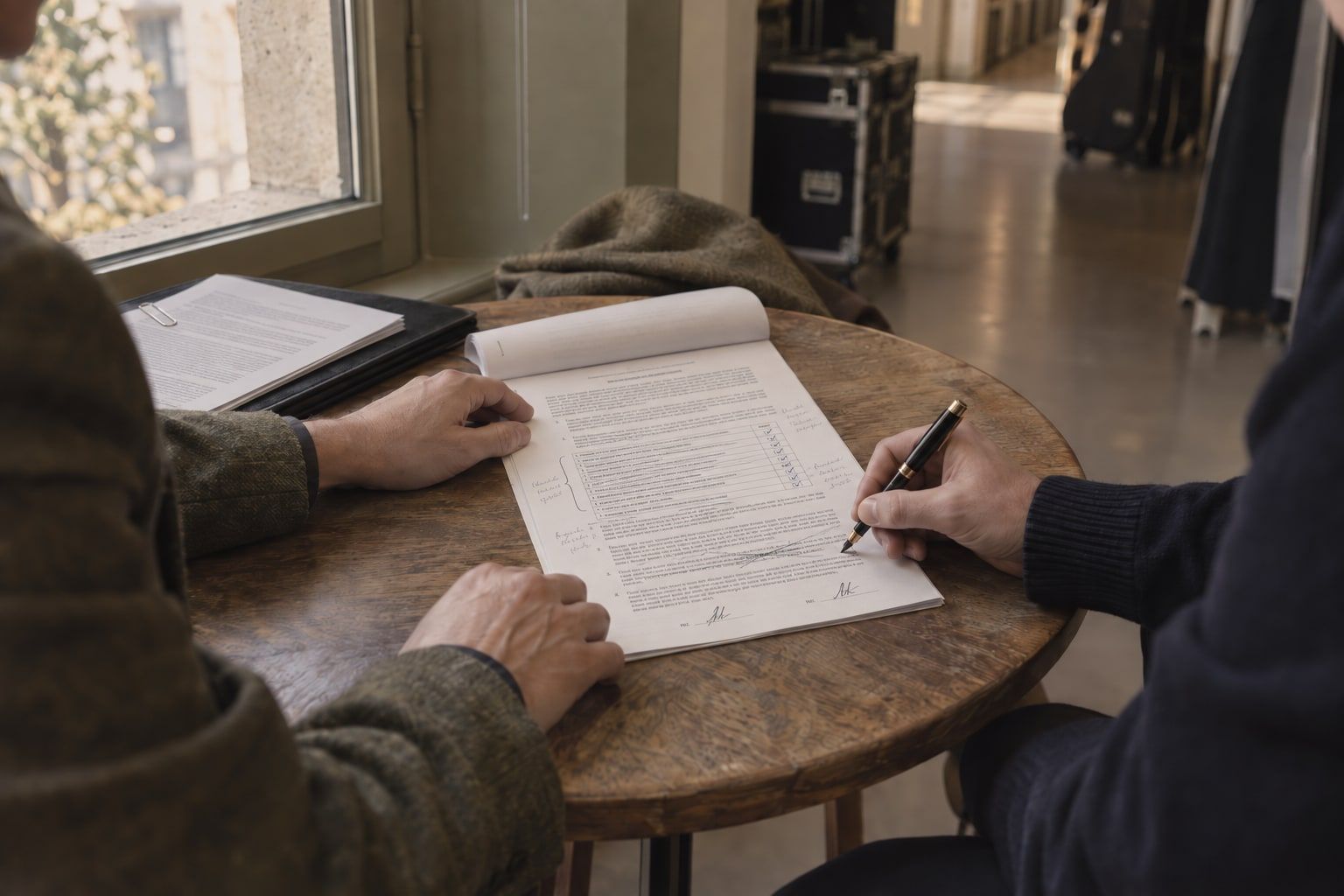
Permissions
The permissions needed alongside the materials are considered together with the planned project. Whether the work will be given in concert or on stage, whether it will be recorded, and whether it will be broadcast on radio, television or online is discussed with the institution; the permissions required are identified in that conversation and arranged together with the publisher. For editonica editions, staging and audiovisual permissions are granted directly, to the extent approved by the rights holder.
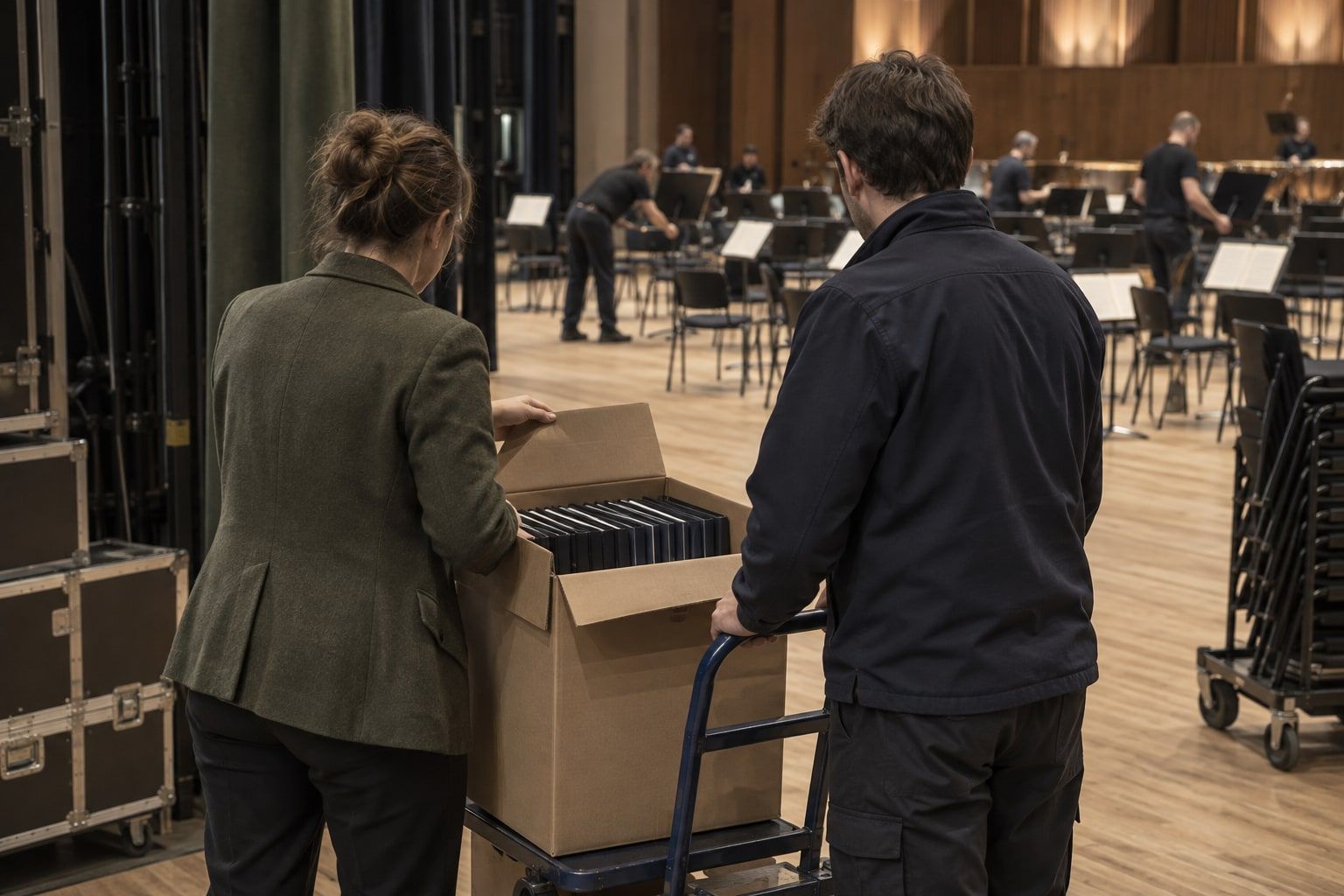
Logistics, customs and material check
Printed materials are shipped insured, customs formalities are handled and the materials are delivered in time for the rehearsal schedule. Every set is checked against the full score by someone who reads music: the parts and pages are confirmed complete and the materials are confirmed to match the requested version. Any shortfall is made good by the publisher before rehearsals begin.
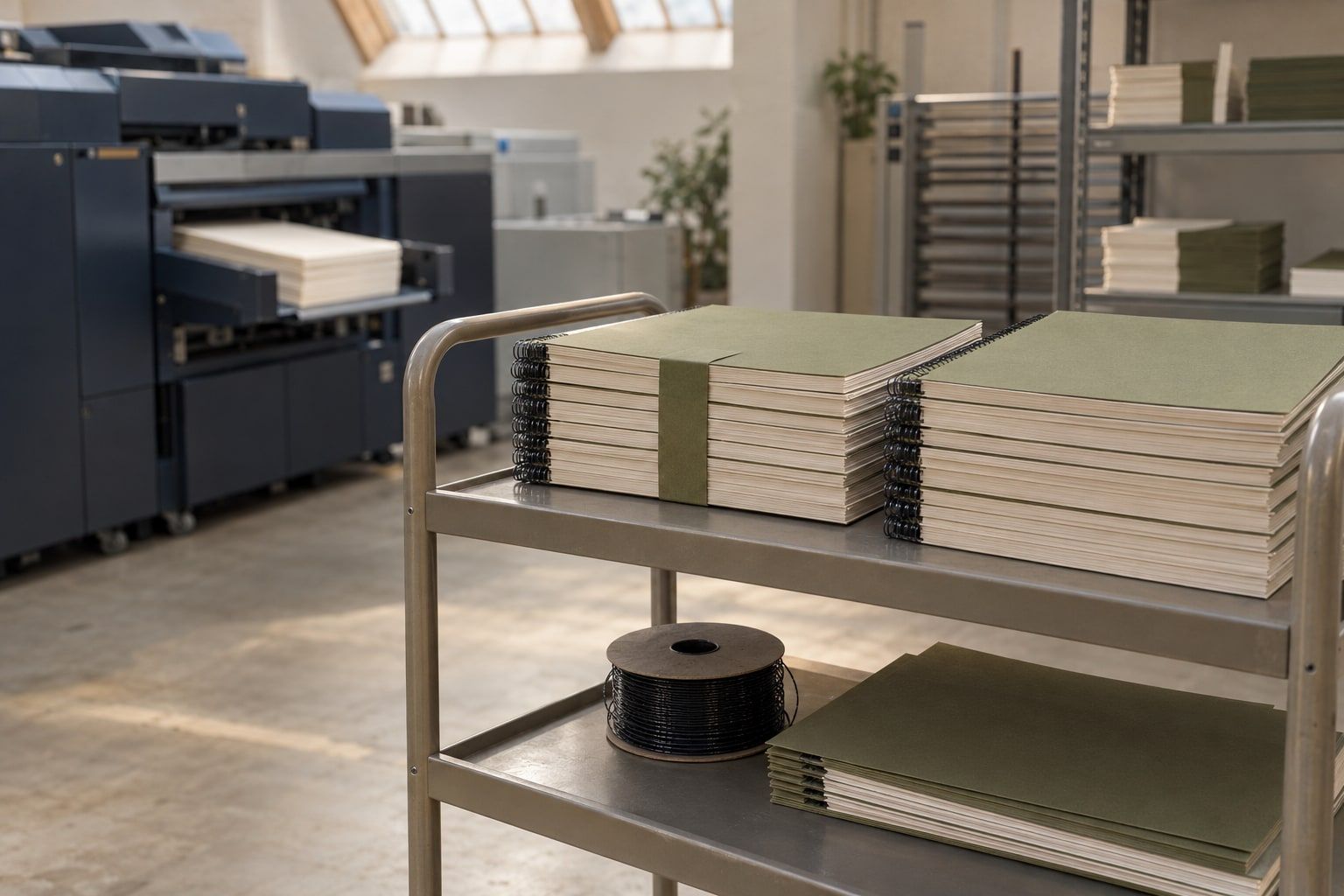
Digital materials
Materials supplied digitally are printed in the number of copies the publisher permits, in a format suited to orchestral use, and bound. After the performances, the return or destruction of the copies is documented.
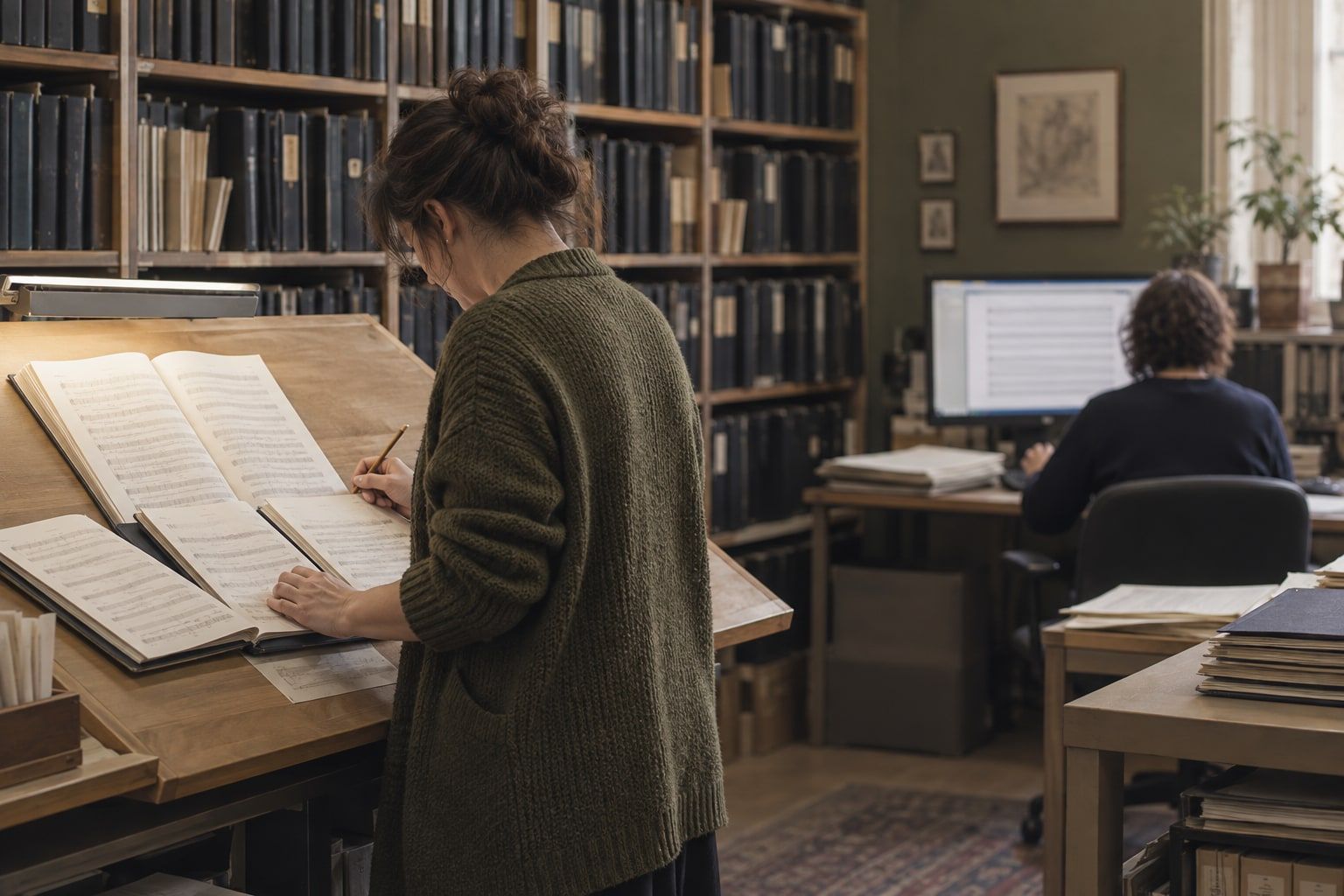
Library services
Pre-rehearsal preparation is taken on, such as transferring bowings and the conductor’s markings to the parts, entering cuts and checking publishers’ errata lists.
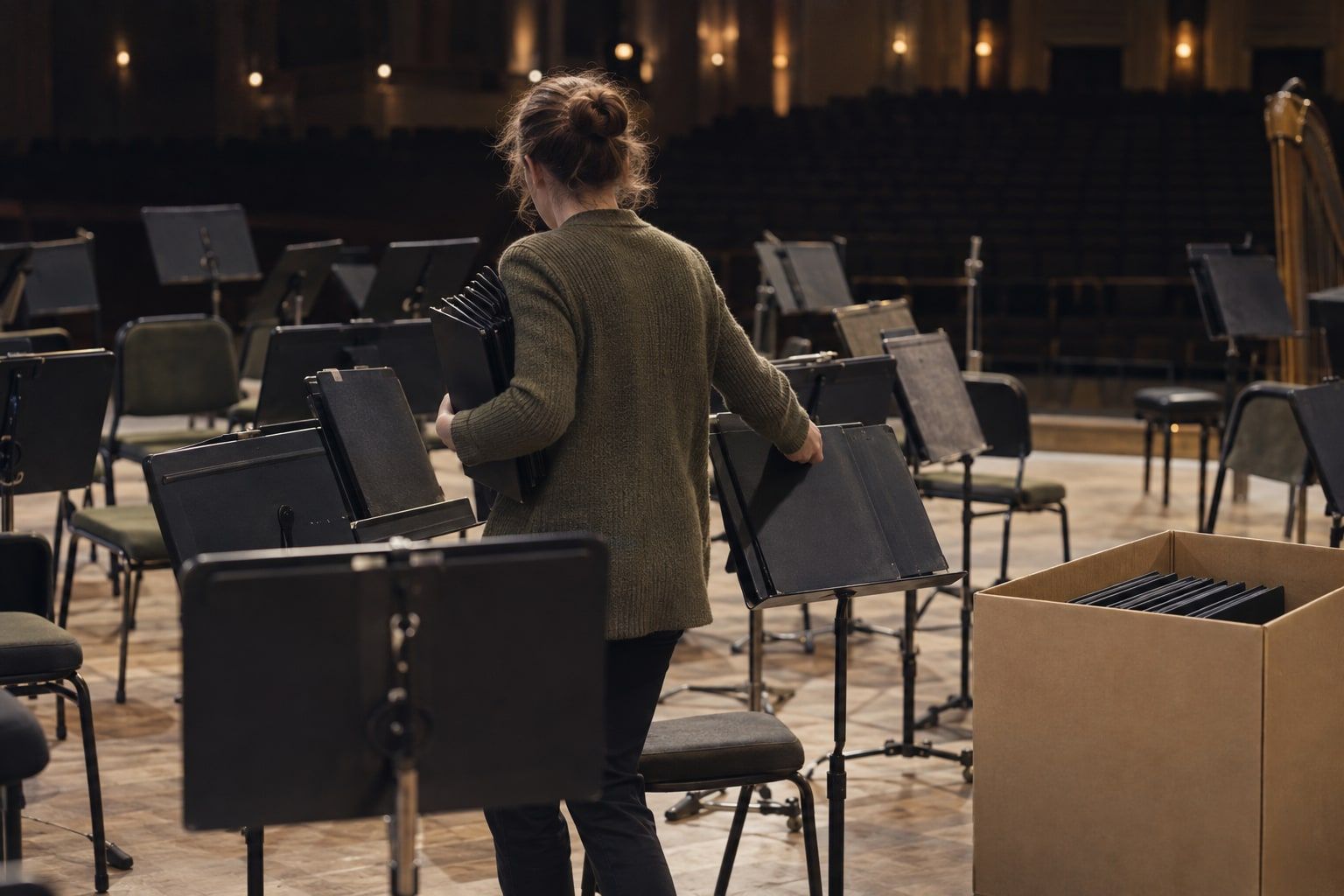
Performance period and return
Changes such as additional parts, additional performances, extended hire periods or tours are handled with the publisher. After the final performance the materials are collected, counted and returned to the publisher; performance details are reported to the publisher.
Preparing a concert asks a great deal of an institution; the journey of the materials need not be part of it. The weight of correspondence, documents, shipping, customs and returns rests with editonica, and so do risks such as a missing part, a delayed shipment or an overlooked permission. What remains for the institution is to focus on rehearsing and performing the work.
hire@editonica.com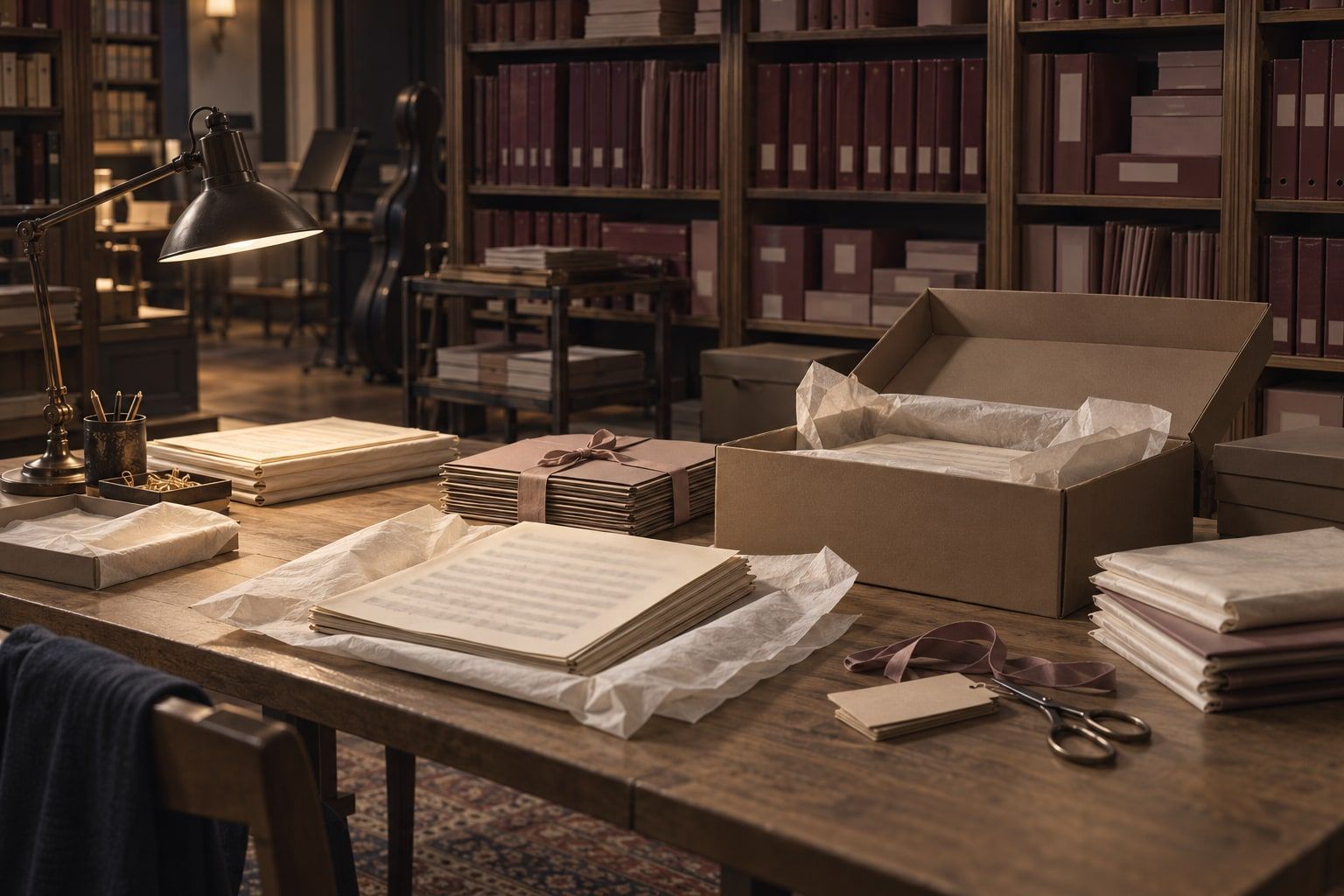
For publishers
Publishers wishing to bring their works to the stages of Türkiye
For a work published in another country to reach a stage in Türkiye, the publisher’s terms must meet the procedures of Turkish institutions. editonica is the link between the two: the publisher’s terms reach the institutions, and the institutions’ needs reach the publisher, with the same care.

Promotion
The catalogue is introduced to conductors, artistic directors and programming committees in Türkiye through perusal scores, timed to the periods when seasons are planned.

Contracts and institutional procedures
The publisher’s hire terms are carried into the contract with the institution. Correspondence, invoicing and payment with institutions are handled in accordance with Turkish regulations, so the publisher need not deal with these procedures.

Logistics and customs
Insured shipping, customs formalities and distribution within Türkiye are handled, and the complete return of the materials at the end of the hire period is followed through.

Protecting materials and reporting
Contracts with institutions set out clearly the prohibition on copying and the rules for marking. The printing and destruction of digital copies are recorded. Each performance is reported to the publisher with its date, venue and number of performances.
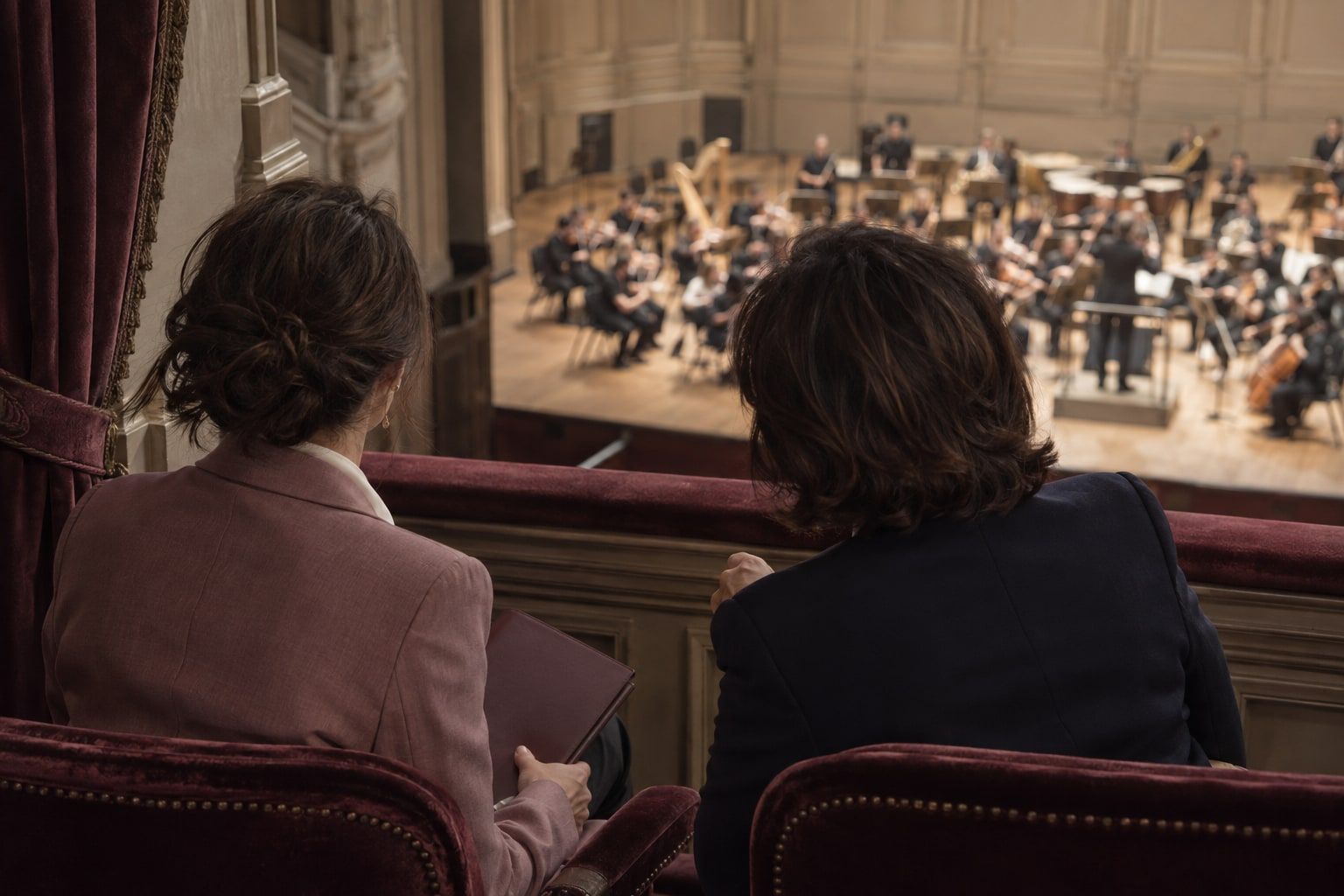
Responsibilities
The publisher’s materials are not used or copied beyond the agreed purpose and period. Payments collected from institutions, and the information relating to them, are shared with the publisher within the period set by contract. No publisher’s name or catalogue appears in any promotion without its written consent.

For composers and estates
Composers, their heirs and the individuals and institutions holding rights in a work
Edition
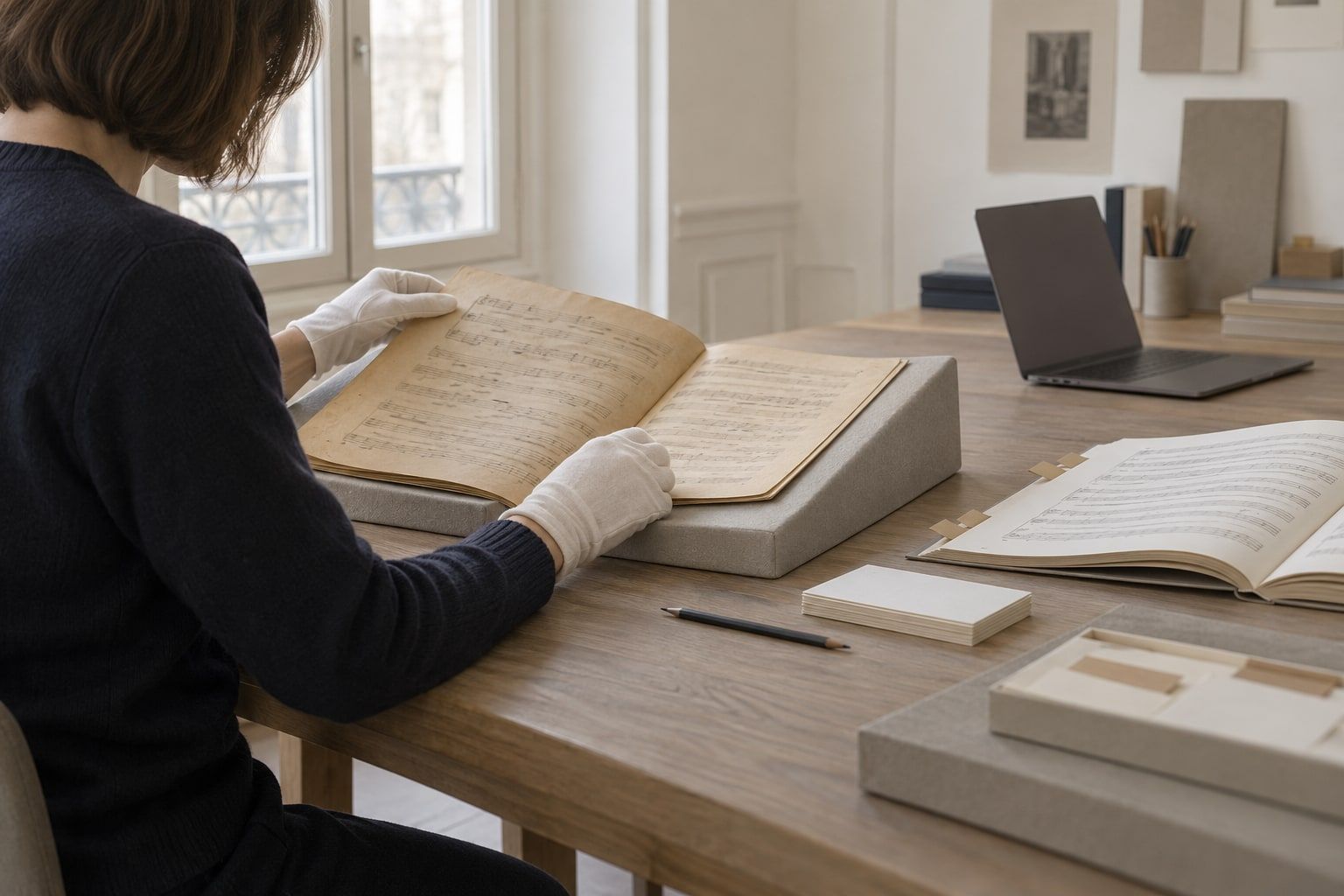
Some works survive only as a manuscript, others in a single edition printed many years ago; others still have only just been completed. Before production begins, every work undergoes a detailed check of its rights status and ownership. It is then read together with its sources: manuscripts, printed copies and the composer’s own corrections are compared. The edition is prepared with qualified specialists in musicology, music engraving and editing. How the edition will be prepared is decided with the rights holder’s approval. Each edition is accompanied by a list of sources, a statement of editorial principles and critical notes giving the reasons for each decision. Digital tools may form part of this process, but no output is published without being verified by an editor.
Limits
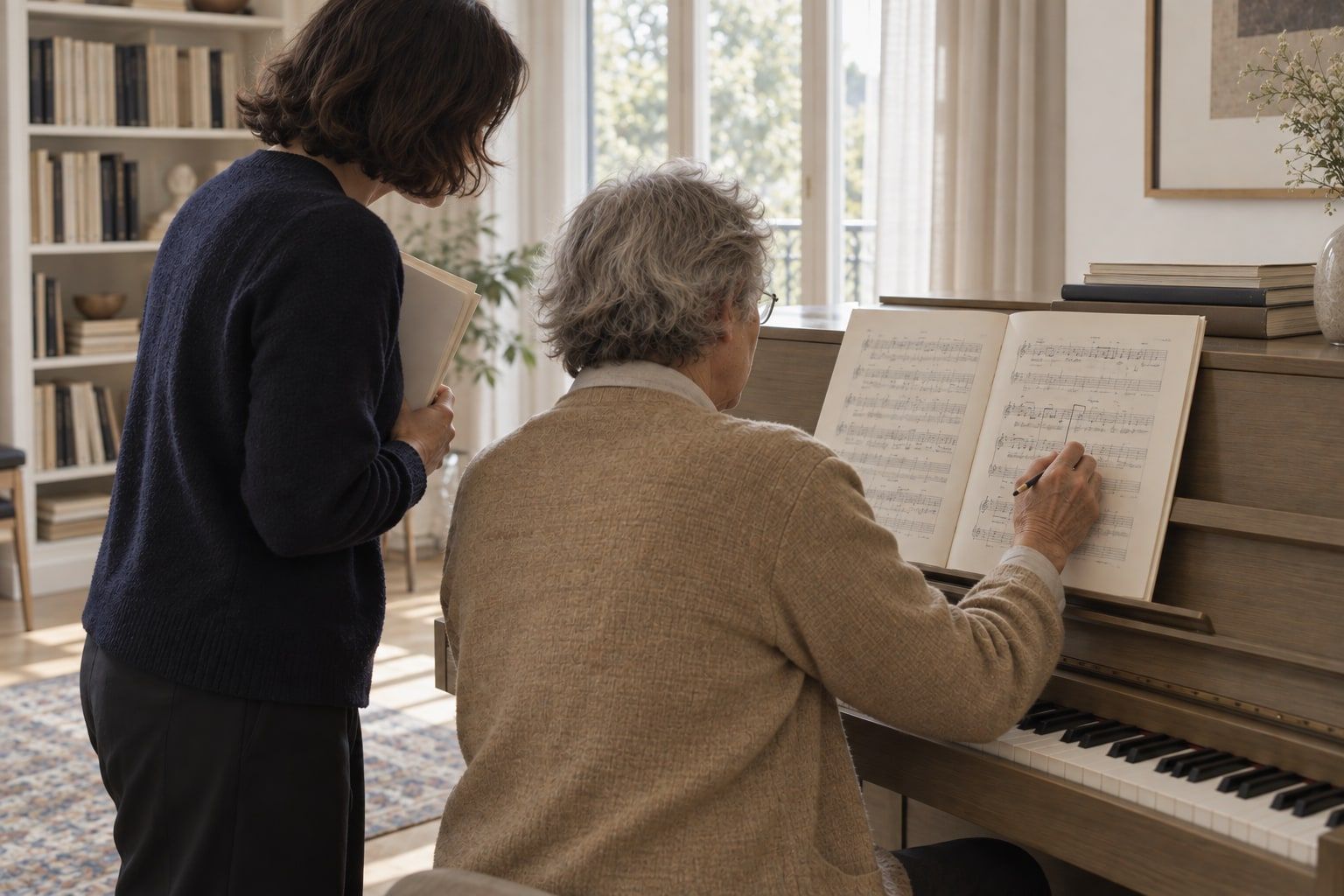
Even within an approved edition, the rights holder may set limits: that the scoring is not changed, that the key is kept, that no cuts are made, or that ornaments and cadenzas are only suggested rather than written out. Any limit that has been set can later be exceeded only with separate written permission. However broad the approval, the right to stop a change that distorts the essence of the work or harms its author’s reputation always remains with the rights holder.

Approval
Before publication, the edition is presented to the rights holder. Every editorial intervention is shown item by item in a report, together with a short summary free of technical terms: what was done, what was left untouched and where decisions were made. On request, the edition is presented in person or online with the editor who prepared it; the rights holder may also have it reviewed by an expert of their own choosing. Changes that touch the essence of the work, such as arrangement, transposition, abridgement or translation, are made only with separate written permission.
The paths of a work
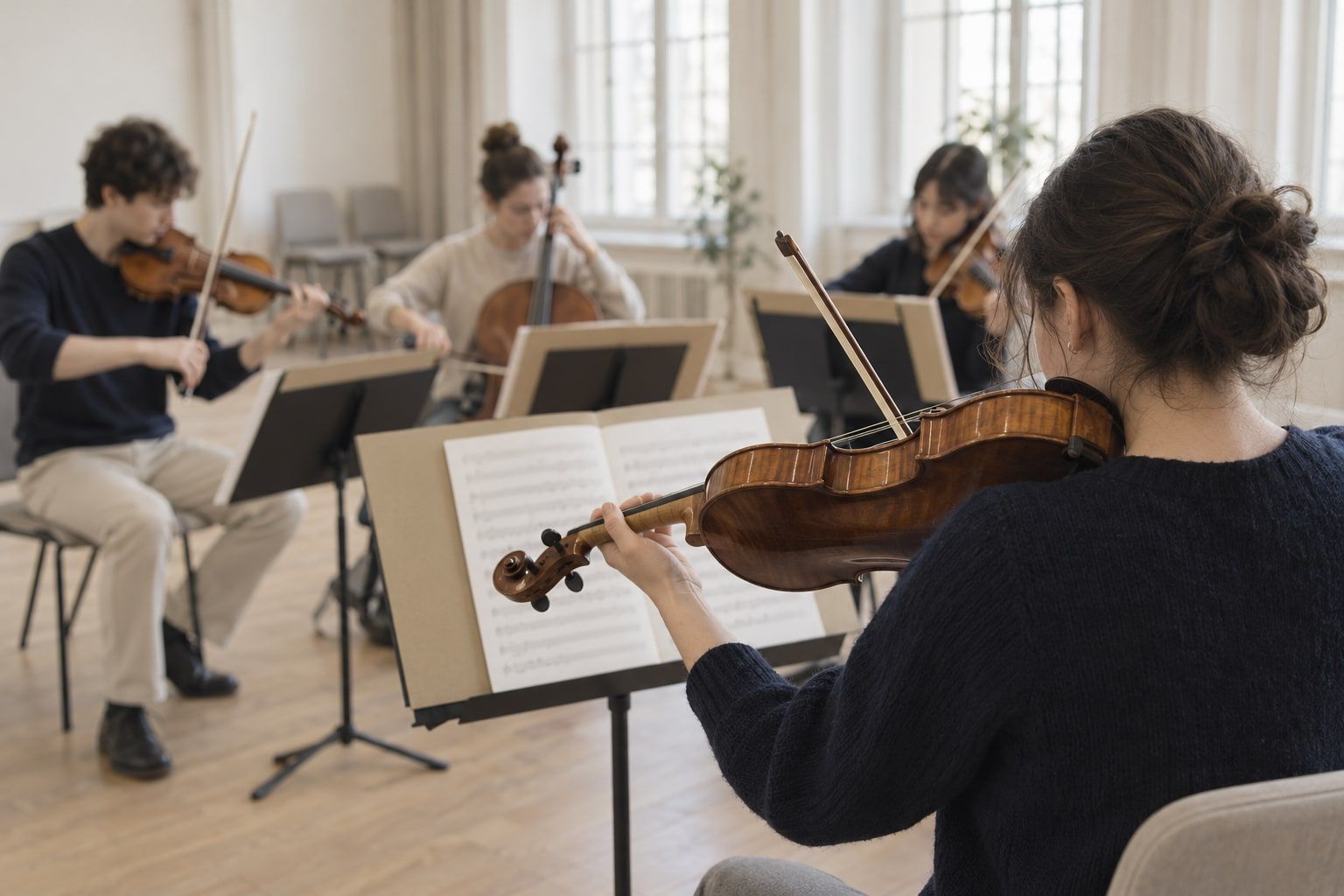
The approved edition takes its place in the catalogue, is registered with an International Standard Music Number (ISMN) and opens to the uses the rights holder has permitted. These chiefly include printed and digital sales, hire to orchestras, library lending, staging permissions for stage works, access for conservatoires and through digital sheet-music platforms, use in educational publications and representation through publishers abroad. The work and its author are promoted together through the catalogue, the press and digital channels.
Where uses such as concerts, broadcasts and recordings are administered by the collecting society of which the rights holder is a member, that arrangement is preserved. Uses outside the society’s mandate are entrusted to editonica only if the rights holder so wishes.
Arranging or translating the work, or using it in another medium, each requires separate written permission. None of this is done without the rights holder’s permission.

Rights and income
The economic rights in the work are not transferred. editonica is granted a licence for a defined term and scope; the licence is exclusive within the area set by the contract, and at the end of the term the rights revert automatically to the rights holder. Income from the sale, hire and licensing of the work is shared whether it is earned in Türkiye or abroad, and is reported item by item at regular intervals. The rights holder may have these records examined by an independent auditor. Where there are several heirs, each share is paid separately. Performance and broadcast royalties collected through the rights holder’s collecting society remain entirely theirs; editonica claims no share of this income.
Responsibilities
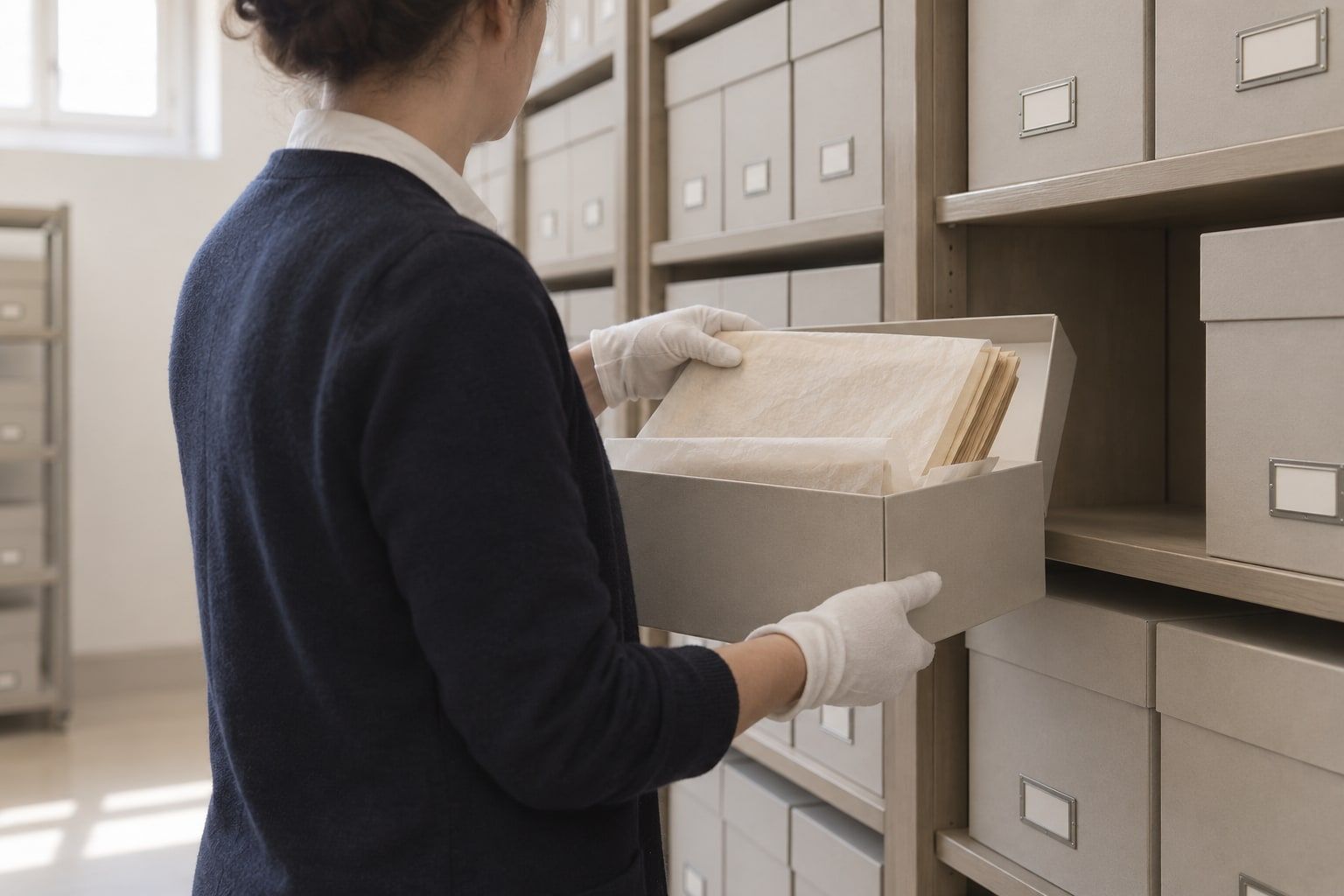
Every work is entrusted to editonica together with its author’s labour and name, and every step taken with it is taken in respect of that trust. The composer’s name appears on every copy, on every hire document and in every programme where possible. Manuscripts and documents are received and returned against a signed record. If an infringement of the rights in the work comes to light, the rights holder is informed without delay and, at the rights holder’s wish, supported in legal proceedings to protect those rights.